
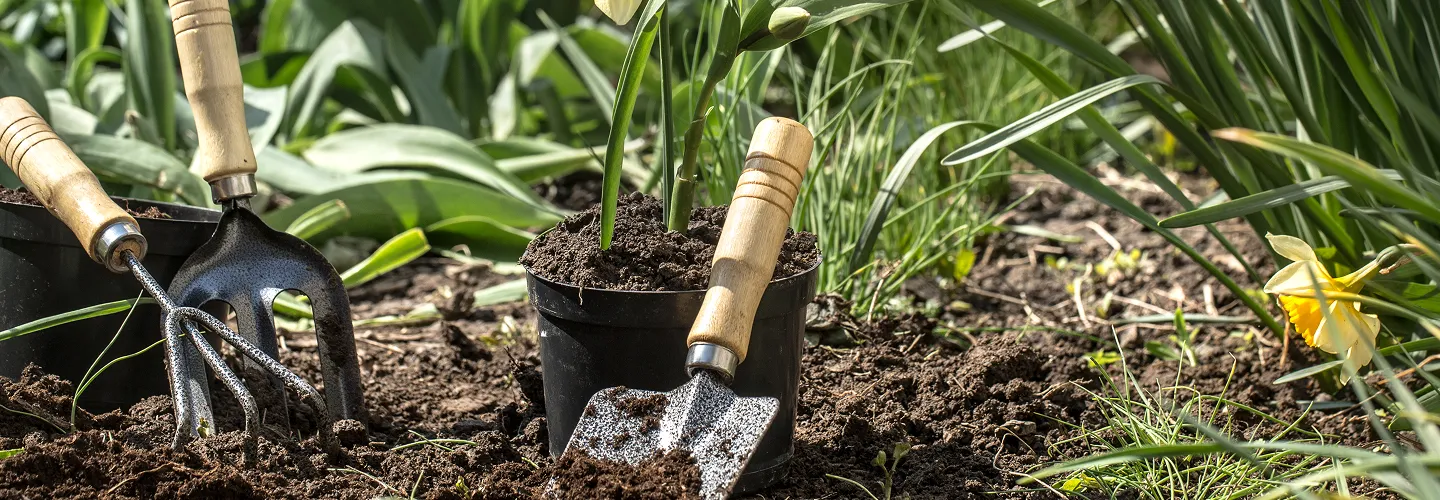
Reed Park Weeding Services
Choose our professional weeding services for a healthier, more beautiful landscape—our experienced team removes unwanted growth efficiently, ensuring your plants thrive and your outdoor space stays immaculate.
Get a Free QuoteOur Reed Park Landscaping & Yard Care Services
When to Schedule Weeding in Reed Park, Arizona – Seasonal Guide
In Reed Park, Arizona, timing your weeding services is crucial for maintaining healthy, attractive landscapes throughout the year. The region’s unique climate—marked by hot, dry summers and mild winters—means that weed growth patterns differ from those in other parts of the country. For neighborhoods near the Reed Park Community Center and along Lakeshore Drive, the optimal periods for weeding are typically early spring and late fall, when soil moisture is higher and temperatures are moderate. This helps prevent weed seeds from taking hold before the intense summer heat or after the first frost.
Local environmental factors such as the area’s sandy-loam soil, variable humidity, and the risk of drought all play a role in determining the best weeding schedule. Properties with dense shade from mature mesquite and palo verde trees, like those bordering the Sudbury Park, may require more frequent attention due to increased moisture retention and slower soil drying. Additionally, municipal guidelines and water restrictions can impact when and how often weeding can be performed, especially during peak summer months.
Local Factors to Consider for Weeding in Reed Park
- Tree density and shade coverage
- Soil type (sandy-loam vs. clay)
- Seasonal precipitation and drought risk
- Frost dates and temperature fluctuations
- Terrain and slope of the property
- Municipal restrictions on landscaping activities
- Proximity to landmarks or high-traffic areas
Benefits of Weeding in Reed Park
Enhanced Curb Appeal
Healthier Plant Growth
Reduced Pest Infestation
Improved Soil Quality
Eco-Friendly Landscaping
Professional and Reliable Service
Reed Park Weeding Types

Manual Hand Weeding
-
Mulch Application
-
Pre-Emergent Weed Control
-
Post-Emergent Herbicide Treatment
-
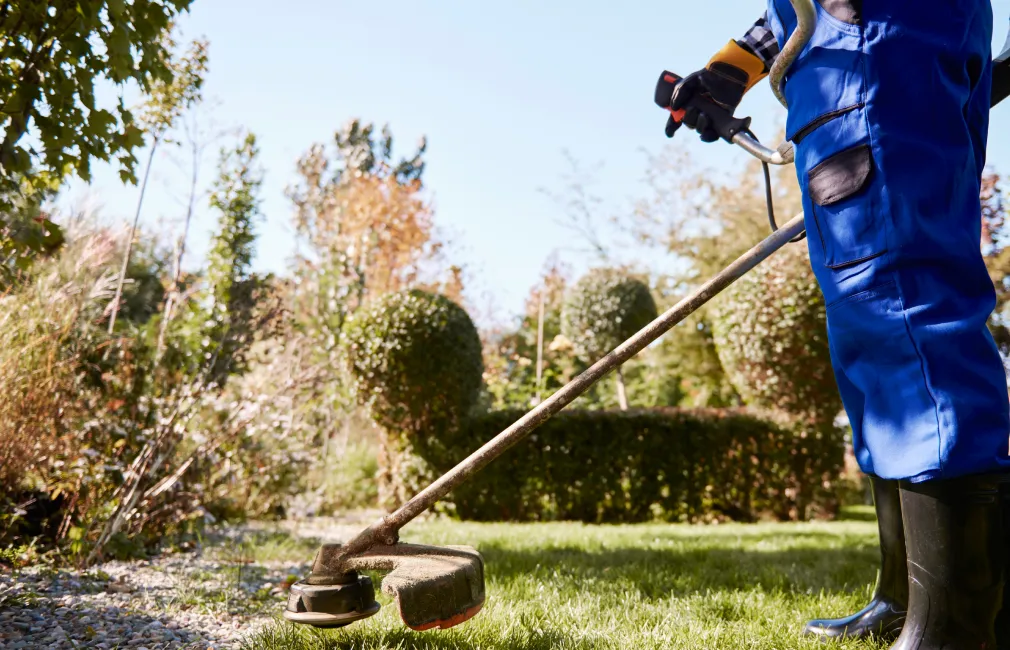
Mechanical Weed Removal
-
Landscape Fabric Installation
-
Selective Spot Weeding
Our Weeding Process
Site Evaluation
Weed Identification
Targeted Removal
Soil Treatment
Final Inspection
Why Choose Reed Park Landscape Services
-
Reed Park Homeowners Trust Us
-
Expert Lawn Maintenance
-
Reliable Seasonal Cleanup
-
Competitive Pricing
-
Professional Team
-
Satisfaction Guarantee
-
Personalized Service
Coordinating Weeding Services with Reed Park's Municipal Environmental Programs
Reed Park is a neighborhood within the City of Mesa, situated in the Phoenix metro low-desert region. Residents and property managers undertaking weeding on residential or commercial parcels should be aware of how municipal programs intersect with landscape maintenance. Mesa's environmental programs office oversees stormwater quality initiatives that directly affect how weed debris and any herbicide applications are managed on private property. When weeding generates green waste—pulled root masses, dried weed material, or clippings—property owners must follow the city's bulk collection and green waste disposal guidelines rather than sweeping organic matter into streets, curb inlets, or drainage channels.
- Pulled weeds and organic debris should be bagged or bundled according to Mesa's current curbside collection standards; verify accepted materials and pickup schedules through the city
- Any herbicide use near public rights-of-way, sidewalks, or drainage infrastructure should account for stormwater runoff pathways
- Properties adjacent to washes or retention basins may face additional scrutiny regarding debris and chemical discharge
Mesa Environmental Programs
Official Website: Mesa Environmental Programs
Property managers overseeing HOA common areas or commercial frontages should also coordinate with Mesa's parks and landscape standards when weeding affects public-facing parkway strips or median-adjacent beds.
How Reed Park's Low-Desert Heat and Alkaline Soils Drive Weed Pressure
Reed Park sits within USDA Hardiness Zone 9b, characteristic of the Phoenix metro's low-desert environment. This classification shapes both the types of weeds that thrive and the timing of their most aggressive growth cycles. Several site-specific conditions intensify weed pressure throughout the area:
- Alkaline, calcareous soils: Reed Park's soils tend toward high pH levels, often above 7.5, with calcium carbonate accumulations and occasional caliche layers. These conditions favor adapted weed species such as spurge, puncturevine, and London rocket while stressing desirable ornamental plantings
- Monsoon-triggered germination: Summer monsoon rains between July and September create rapid weed flushes, particularly in gravel beds, along drip-line emitters, and in decomposed granite landscapes where moisture briefly saturates the surface
- Reflected heat from hardscape: Concrete block walls, patios, and asphalt driveways radiate heat that accelerates weed seed germination in adjacent planting beds and rock mulch areas
- Irrigation-driven weed corridors: Drip emitters and flood-irrigated turf borders create consistent moisture zones that sustain year-round weed growth, even during the driest months of May and June
The USDA Plant Hardiness Zone Map and the USDA Web Soil Survey provide property-specific data that can help residents understand their site's weed vulnerability.
Navigating Reed Park's Regulatory Requirements for Herbicide and Weed Management
Weed control in Reed Park must comply with both state-level pesticide regulations and municipal stormwater protection standards. Arizona law requires that any person applying restricted-use herbicides commercially hold a valid certification through the Arizona Department of Agriculture's licensing program. Even general-use herbicide applications on residential properties carry responsibilities under Arizona Revised Statutes Title 3, which governs pesticide use, labeling compliance, and drift prevention.
- Pre-emergent and post-emergent herbicides applied near curb inlets, washes, or retention basins must not enter the municipal storm sewer system, consistent with Arizona DEQ's Phase II MS4 program
- The Arizona Department of Agriculture maintains a noxious weed list that identifies species requiring mandatory control; property owners should verify whether any listed species are present on their parcels
- Mesa's development codes may apply to properties where weed overgrowth triggers code compliance action; verify current property maintenance standards through the city
Mesa Development Codes, Ordinances, Regulations & Standards
Official Website: Mesa Development Codes, Ordinances, Regulations & Standards
Arizona Department of Agriculture – Office of Pest Management
Official Website: Arizona Department of Agriculture – Office of Pest Management
Timing Weeding Around Reed Park's Monsoon Season and Desert Growth Cycles
Professional weeding standards in the low desert revolve around two primary growth windows and the monsoon transition. Effective timing prevents seed set, reduces chemical dependency, and protects irrigation infrastructure.
- Late winter through early spring (February–April): Cool-season annual weeds such as London rocket, filaree, and Mediterranean grass reach peak growth. Hand removal or targeted post-emergent application before seed maturation is critical during this window
- Pre-monsoon (May–June): Apply granular pre-emergent herbicides to gravel beds, rock mulch areas, and landscape borders before monsoon moisture triggers summer weed germination; irrigation should be used to activate the product according to label directions
- Post-monsoon flush (August–September): Spurge, carpetweed, and prostrate pigweed emerge rapidly after rain events. Hand-pulling while soil is still moist improves root extraction and reduces regrowth
- Drip-line maintenance: Weeds concentrate around emitter heads where moisture is consistent. Inspect and weed these zones monthly, adjusting emitter placement if weed pressure indicates overspray or pooling
The University of Arizona Cooperative Extension provides regionally calibrated guidance on integrated weed management practices suited to low-elevation Arizona landscapes. Residents should avoid applying herbicides during high winds or when temperatures exceed 100°F, as volatilization and drift risk increase substantially.
What Neighborhoods Do We Serve Throughout Reed Park, AZ?
- Reed Park Historic District: Mature irrigated lots with established shade trees create moist, shaded conditions that sustain year-round weed growth in turf borders and flower beds
- Evergreen Historic District: Older residential parcels with flood-irrigated landscapes experience persistent weed pressure along irrigation berms and in aging planting beds
- West Main Street Corridor: Mixed residential and commercial frontages require coordinated weeding along sidewalks, parking strips, and public-facing landscape areas
- Lehi Crossing: Newer subdivision fill soils and decomposed granite yards are prone to rapid weed colonization following monsoon rains, particularly in rock mulch installations
- Mesa Grande: Properties near retention basins and drainage corridors must manage weed debris carefully to prevent organic material from entering stormwater infrastructure
- Escobedo: Compact lot sizes and block-wall adjacency intensify reflected heat, accelerating weed germination in narrow side-yard planting beds and gravel pathways